
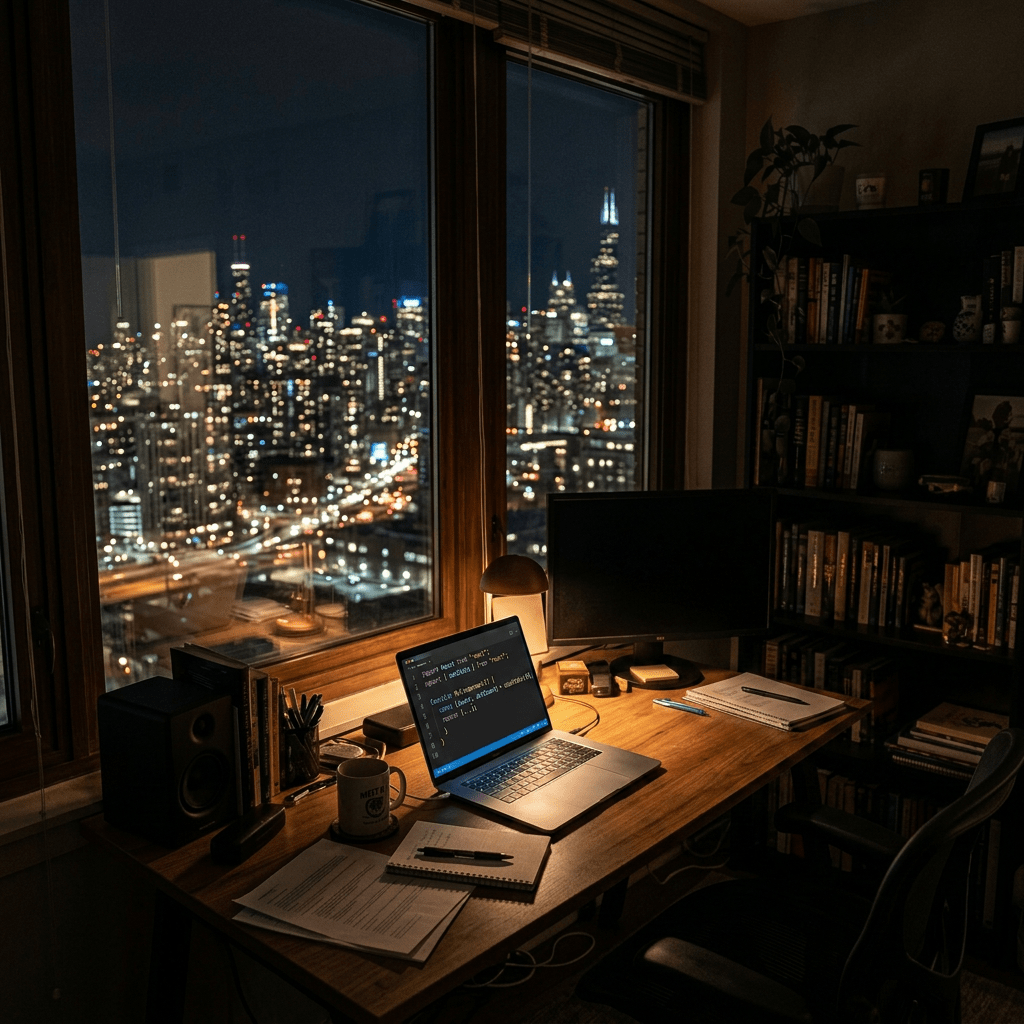
I know, I know. I disappeared. No warning, no explanation. I just stopped showing up here for a minute.
I was heads down building. I’m talking locked in and focused and that felt more important than posting about building. Doers do and all that jazz, right?
What I Actually Built
Mind you, I am a Project Manager by trade and training. Software development projects were what I managed…I didn’t actually do the developing. So when I tell you I spent the last two weeks learning how to implement monitoring and alerting for a software product from scratch, understand the learning curve that came with that. Just in case I’m not making it plain enough for you, it was a steep curve.
But, it was a successfully navigated curve. Sela now sends real device notifications. Medication reminders, appointment alerts, refill reminders — firing on your device even when the app is closed! Clap it up for that!! I also shipped a supplements tracker, allergy conflict detection, an appointment visit recorder, a medication edit audit trail, and a care journal summary generator. Not to bad for a noob amiright?!
Did I get everything perfect? Absolutely not. Man, I wish I did. But, now, I have a foundation that I can build on and the product is meaningfully better than it was two weeks ago. That’s the point.
The Part Nobody Talks About
While all of that was happening, I was also in my head. A lot.
I kept asking myself whether I was actually building something real or just staying busy to avoid sitting with harder questions. Imposter syndrome is interesting because it doesn’t go away when you ship something. You ship it and then immediately wonder if it matters, if anyone will use it, if the people who do use it will see the value. Why am I doing this? Who is this for? What purpose is it serving? So much doubt and very little feedback.
In those moments tho, I relied on my belief that I am worth helping. I mean, I built Sela because I needed it right? I deeply believe I cannot possibly be the only one who needed it either. I also genuinely know Sela is worth something. Not in a “I hope this works” way. I mean I know it in my gut, in my bones. But there is a real difference between knowing something and being able to prove it. Right now I’m living in that emotion-filled gap, which is uncomfortable, and also just where you are when you’re building something early.
The thing about bootstrapping a startup with zero to limited resources is that there’s no buffer between you and that doubt. At a funded company, there are other people in the room. There are salaries being paid, which means other people have already placed a bet on the idea. When you’re doing this alone, the only person whose confidence you can borrow is your own. Some days that’s plenty. Some days it isn’t. And sadly we are still boycotting Target so I can’t go buy any either.
What I’ve learned is that the questioning doesn’t mean you’re on the wrong track. It means you’re paying attention. The founders who scare me are the ones who never doubt anything. Blind certainty and good judgment don’t usually live in the same person or go hand in hand. To question is to care and I care deeply about the success of Sela.
So I let myself sit with the hard questions for a few days, I kept building anyway, and I came out the other side with a better product and a clearer head. That’s the most honest description of what a solo founder sprint actually looks like, at least for me. I can’t and won’t speak for others.
May the 4th be with me always.
I’m still wrapping my head around it. It feels big and heavy and real in a way that a LinkedIn post a few weeks ago didn’t fully capture. I built something. It’s incorporated. It works. Real caregivers are using it to manage real people they love. I did that. Just like wrapping my head around being an app developer has been strange, wrapping my head around being a tech founder is even more strange to me. A whole me!!! Wowsa!
There’s a version of that sentence that’s supposed to feel triumphant. And believe you me, it does, majority of the time. But mostly it feels like responsibility. People are depending on this app to help them care for someone. That’s not a small thing to carry. I don’t want to lose sight of it in the middle of thinking about funding and user acquisition and everything else that comes with running a company. I don’t want to every lose sight of my why in the glowing, glittery lights of ownership.
That also was worth sitting with for a minute before I got back to building.
Why I’m Back
I came back up for air because I have things to say about a product worth talking about. I came back up for air because me being heads down, headphones on, locked in won’t spread the word that Sela exists. And people deserve to know that Sela exists for them. If you’re a family caregiver or you know one, go check out what I built at getsela.app. It’s free and if you make time, I’d genuinely love to hear what you think. So be sure to leave a testimonial on the website.
And if you’ve been quietly going through your own version of this — building something, questioning everything, showing up anyway — I see you. Keep building.
Frequently Asked Questions
What is Sela? Sela is a caregiving management app built for family caregivers. It tracks medications, schedules, vitals, appointments, pain, and more — all in one place, all on your device. No account required and free to use.
Can you build a startup app without a technical background? Yes, and a lot of founders are doing it. The learning curve is real and it takes longer than it would if you had a technical co-founder. But the tools available today make it possible for someone with determination and willingness to learn to ship a real product. It helps to be obsessive about understanding what you’re building and why.
What does imposter syndrome feel like as a founder? For me it shows up as questioning whether the work I’m doing is real progress or just productive-feeling busy work. It’s the voice that asks whether anyone will actually care about what I’m building. The answer I keep coming back to is to look at the product, look at the people using it, and let that be the evidence.
Is bootstrapping a startup without funding possible? It depends heavily on what you’re building and how far you need to get before revenue. For a software product, you can get further than most people think on very little money, especially if you’re doing the development work yourself. The ceiling is lower without funding, but the floor is also lower — you don’t owe anyone anything, and every decision is yours to make.
 Romneka G.
Leave a comment