
I built a caregiving app. I am also a caregiver. And I still understand, completely, why family caregivers don’t use caregiving apps.
That probably sounds like a problem. It’s actually the most clarifying thing I know about this space.
The Adoption Problem Nobody Talks About
Digital health has a discovery problem, sure. But caregivers have a different problem — one that sits upstream of discovery entirely.
The problem is capacity.
When you are managing someone else’s health — medications, appointments, pain episodes, insurance calls, the slow administrative nightmare of keeping a person alive and cared for — you have no margin. Not emotional margin, not time margin, not cognitive margin. The idea of trying something new, learning a new interface, migrating information you’ve already organized somewhere else, and trusting that it won’t fail you at 11pm on a Tuesday when you actually need it? That’s not a small ask. That’s a significant one.
I’ve been the person sitting in a waiting room trying to remember whether a medication change happened before or after the last hospital stay. I’ve had days where even downloading another app felt like one more task I couldn’t carry. That experience doesn’t show up in research decks — but it shows up in product decisions, or it should.
Many digital health products begin with good research. That’s important. But research isn’t the same thing as living through six months of medication changes, insurance appeals, and trying to remember what the doctor said while you’re already exhausted. The gap between those two positions shows up directly in what gets built — and what caregivers actually use.
What “Low Friction” Actually Means for a Caregiver
Every product team says they want a low-friction onboarding experience. In most contexts, that means fast sign-up, a clean first screen, maybe a guided tour.
For a family caregiver, low friction means something more specific: does this caregiving app work the first time, in the middle of a hard day, when I have five minutes and zero patience for a learning curve?
It means the value has to be immediate and obvious. Not “you’ll appreciate this in three weeks once you’ve built the habit.” Right now. Today.
It means the tool cannot ask for more than it gives — not on day one. If I have to input six months of medication history before the app does anything useful, I’ve already lost the person. They’ll close it and go back to the notes app they’ve been using since 2019, which is imperfect but familiar.
And it means the tool has to earn trust before it asks for behavior change. Caregivers have been failed by systems — medical systems, insurance systems, support systems — often enough that skepticism is a reasonable default. A new caregiving app doesn’t get the benefit of the doubt just because it has good intentions.
The Real Competition Isn’t Other Caregiving Apps
When I think about what Sela is competing with, it’s not other caregiving apps. It’s the system the caregiver already has.
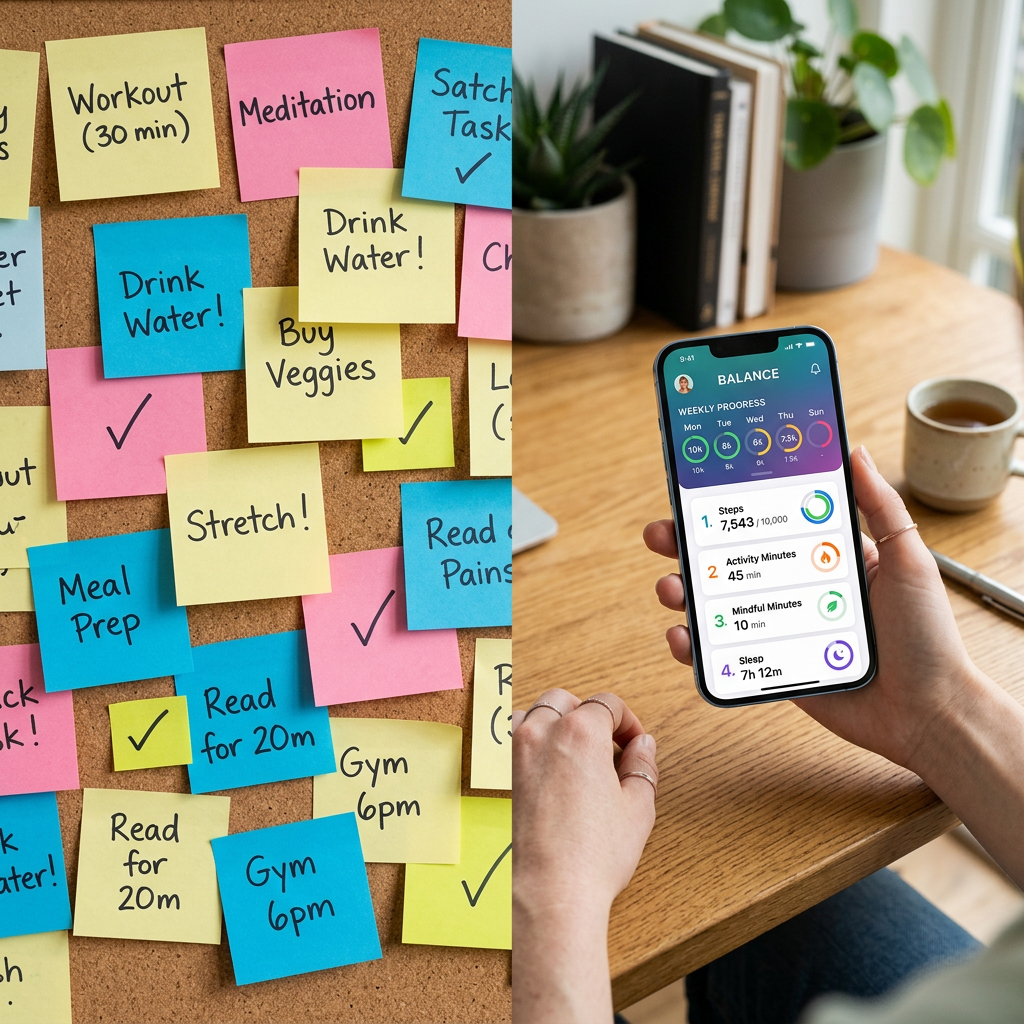
That system is probably a combination of: a notes app, a paper calendar, a whiteboard, their own memory, a group text with family members, and a folder of photos they took of discharge paperwork. It’s fragmented and imperfect, but it’s theirs. They built it. They know where everything is. It has never crashed.
Asking someone to switch from that to a digital health tool requires a compelling reason — and “it’s better” is not a compelling reason. Better at what? Better for whom? Better compared to what they have now, or better in theory?
The pitch has to be specific. It has to address a real pain point they feel right now, not a generalized problem the market has identified. And it has to be honest about the tradeoff: yes, there’s a learning curve, here’s how long it actually is, here’s what you get on the other side.
What I’ve Learned Building in This Space
I’m not going to pretend I’ve solved this. I’m in it.
What I’ve learned is that the caregivers who try Sela and stay are not the ones who were looking for a caregiving app. They’re the ones who hit a specific breaking point — a doctor’s appointment where they couldn’t remember which medication was started when, or a moment where they realized they’d been guessing at pain patterns for months.
The breaking point is the entry point. Not the marketing.
Which means the job of a caregiving app isn’t to convince family caregivers they have a problem. They know they have a problem. The job is to be findable and credible when the breaking point arrives — and then to deliver on the promise immediately, before the window closes.
That’s a narrow window. It requires a product that works the first time, a value proposition that’s specific enough to match the moment, and enough trust built up in advance that someone in crisis is willing to give it five minutes.
I’m still working on all three. But understanding why family caregivers don’t use caregiving apps — really understanding it, from the inside — is the only honest starting point.
Key Takeaways
- Family caregivers don’t resist technology because they dislike technology. They resist switching systems that already work.
- Capacity is a bigger barrier than awareness.
- The real competition for any caregiving app is the workaround the caregiver already built.
- Products must deliver value immediately — not eventually.
- Trust matters more than features, especially on day one.
Frequently Asked Questions
Why don’t family caregivers use caregiving apps even when they’d benefit from them? The primary barrier is capacity, not awareness. Caregivers are managing complex, high-stakes situations with limited time and cognitive bandwidth. Trying a new caregiving app requires an upfront investment — learning a new interface, migrating existing information, building a new habit — that competes directly with immediate care demands. The digital health tools that succeed are the ones that deliver value before that investment feels too high.
What makes a caregiving app worth switching to? Immediate, specific value — not long-term potential. A family caregiver will switch if the new tool solves a real pain point they’re feeling right now, works on the first attempt without a steep learning curve, and asks for less than it gives in the early days. Broad feature sets don’t drive adoption; solving one problem well does.
Why do caregivers stick with paper notes instead of apps? Because paper notes have never crashed, never required a software update, and never needed a password reset at midnight. The system a caregiver already has — however imperfect — is familiar, owned, and trusted. Any caregiving app has to compete with that. The bar isn’t “better in theory.” It’s “better right now, today, under pressure.”
When should a caregiver start using a caregiving app? Honestly, before the breaking point — but most people don’t. The caregivers who adopt digital health tools and stick with them usually started after a specific moment: a medication error, a doctor’s appointment where they couldn’t recall key details, or the realization that their current system was failing them. If you’re already feeling the strain of managing someone else’s health across scattered notes and memory, that’s the signal.
What is caregiver burnout and how does technology help? Caregiver burnout is the physical, emotional, and mental exhaustion that comes from the sustained demands of caring for another person, often without adequate support. Caregiving apps and digital health tools can reduce administrative burden — tracking medications, organizing health information, preparing for appointments — which frees cognitive space and reduces low-grade stress. Technology doesn’t replace human support, but it can remove friction from the parts of caregiving that don’t require a human touch.
Why is the caregiving app market hard to build in? Because the target user is already operating at capacity, skeptical of new systems, and loyal to whatever workaround they’ve built. The caregiving technology market isn’t underserved because nobody’s tried — it’s because the product bar is genuinely high. You have to earn trust before you ask for behavior change, deliver value immediately, and compete with systems the caregiver already owns and controls.


Leave a Reply